

Knowledge terminal
Gminerx FAQ
Answers about Gminerx wallets, staking, withdrawals, KYC, and affiliate commissions — including amount-range, referral-count, multi-level, and binary Left/Right payouts.
Wallet & Funding
Deposits, networks, XAUT, rates, and how one coin can have several networks.
Staking
Plans, amount ranges, fixed vs floating profit, and principal return.
Affiliate commissions
Add Fund, Staking, Staking Earning, Binary L/R, and how each commission type is calculated.
Withdrawals
Wallet address payouts, internal UID transfers, fees, and KYC gates.
Account & security
UID, email PIN, two-factor authentication, and verification.
Wallet & Funding
How do I add funds to my Gminerx wallet?
Sign in, open Add Funds, pick a supported coin and network, enter the amount, then follow the on-screen instructions. Self-custodial and automated deposits credit after the network confirms. Manual bank-style deposits stay pending until an admin reviews them.
Why does Bitcoin (or USDT) appear more than once?
Each row is a coin plus a network, such as Bitcoin on BEP20, ERC20, or Solana. It is still one asset. Send only on the network you selected — the wrong network can mean permanent loss.
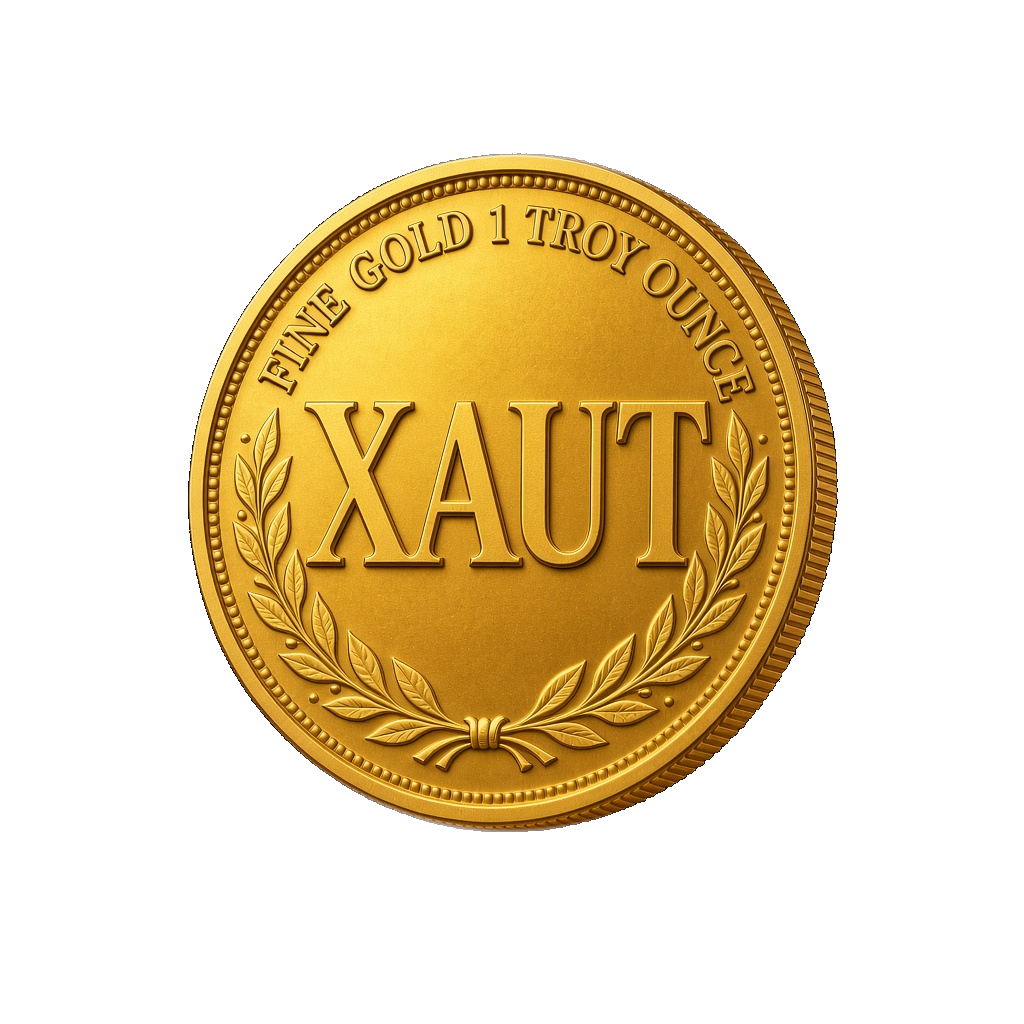
Is Tether Gold (XAUT) supported?
Yes. Gminerx lists Tether Gold as XAUT on ERC20 and BEP20. Fund, stake, or withdraw XAUT using the matching network. The public Supported Assets list counts XAUT once, not once per network.
Where do USD rates come from?
Each gateway stores a USD reference rate used for portfolio value, staking conversion, and commission amounts. Rates are shown before you confirm a deposit, stake, or withdrawal.
Are fees shown before I pay?
Yes. Network (transaction) fees and any service percentage are displayed on the payment screen before you continue.
Staking
What should I review before staking?
Check the plan currency, min/max amount, whether profit is fixed or floating, the amount-range tiers, the period (daily, weekly, or after a set number of days), and whether principal is returned. You can only stake from a wallet whose coin matches the plan, on any supported network for that coin.
How do amount ranges and floating profit work?
Many plans split profit by how much you stake. A small range may pay a lower percent than a larger range. If floating profit is on, each payout is a random percent between that range’s min and max. Higher amounts in a higher tier use the higher floating band.
When are staking earnings credited?
Earnings follow the plan type: daily, weekly, or once after the stated period. Credited profit appears in Stake Earnings and in Recent activity on your dashboard.
Is my principal returned?
If the plan has principal return enabled, the staked amount is returned when the plan completes. If it is not enabled, only the profit terms on that plan apply. Read the plan card before you confirm.
Can I stake XAUT gold?
Yes when an XAUT plan is active. XAUT Gold Daily uses Tether Gold balances. Stake from your XAUT ERC20 or BEP20 wallet — the plan accepts XAUT on either network.
Affiliate programs
Which affiliate programs can pay me?
Gminerx can run four program types at once, but only enabled ones pay: Add Fund (when a referred user deposits), Staking (when they start a stake), Staking Earning Commission (when they receive staking profit), and Binary Left & Right (extra commission on the matching binary leg). Disabled types do not pay until they are turned on again.
How do Left and Right referral links work?
Your UID has two binary URLs, for example ?ref=uid01/left and ?ref=uid01/right. A signup from the left link sits on your left leg; the right link sits on your right leg. Use both if you want to grow each side of the binary tree.
Where do I copy my links and see commissions?
After you sign in, open Affiliate in the dashboard. You will see your UID, left/right links, the binary tree, and a commissions history. Public program details are also listed on the Affiliate program page when a type is enabled.
Do I earn from every downline action?
You earn only from enabled programs, using that program’s commission type and tiers. A deposit can pay Add Fund (and Binary if that leg matches). A new stake can pay Staking. A staking profit payout can pay Staking Earning. Nothing is paid for programs that are switched off.
Commission types
What commission types can a program use?
Each enabled Add Fund, Staking, or Staking Earning program uses one calculation method: Amount range, Referral count based, or Multi-level downline based. Binary (L & R) is always rank based. Admin chooses the type and the tiers. Your Affiliate page shows the live method for every enabled program.
How does Amount range commission work?
The qualifying event is converted to USD, then matched to a min–max band. That band’s percent is what you earn. Larger deposits, stakes, or earnings can land in a higher percent band when those tiers are set.
How does Referral count based commission work?
The rate depends on how many direct referrals you already have. Example: 1–5 directs might pay 1%, 6–20 pay 2%, and 21+ pay 3% of the qualifying amount. Growing your direct team can move you into a higher band.
How does Multi-level downline commission work?
A percent is paid up the referral line. Level 1 is the direct referrer, level 2 is their upline, and so on, using the percentages set for that program. Staking Earning often uses this so several uplines can earn from the same profit payout.
How is Binary (L & R) commission different?
Binary pays once a month on the 1st. Only downline staking volume counts (not add fund), up to 100 levels deep on each Left/Right leg. Matching volume is the smaller leg — e.g. Left 10 and Right 5 means 5 matched. Your rank plus that coin’s min–max band set the percent, paid in the same coin. After payout both legs reset to 0 for the next month.
When is affiliate commission credited?
Commission is created when the matching event succeeds: a confirmed add-fund, a new stake, or a staking profit credit. You can review each payout under Affiliate → Commissions, including the program type and amount.
Withdrawals
How do I withdraw?
Open Withdraw, choose the coin and network, enter the amount, then pick Wallet address for an on-chain payout or User UID for an internal transfer to another Gminerx member. Review network fee, service fee, and the net amount before you submit.
What is a User UID transfer?
It credits the exact amount of the selected coin to that user’s balance on the same network. There is no blockchain network fee because the funds never leave the platform. You still need a valid recipient UID.
Do I need KYC to withdraw?
If KYC is enabled on the platform, withdrawals stay locked until your KYC is approved. If KYC is turned off, the withdraw form works normally. Your dashboard shows KYC status when verification is required.
Why was my withdrawal pending?
On-chain withdrawals can wait for admin review or network processing. Internal UID transfers credit the other user’s balance when approved. Cancel a pending request from Withdraw history if that option is still available.
Account, KYC & security
What is my UID used for?
Your UID identifies your account for affiliate links, internal transfers, and support. Share the UID, not your password. Referral links use it as ?ref=YOURUID/left or ?ref=YOURUID/right.
Do I need KYC to use Gminerx?
You can browse rates and plans without KYC. When KYC is enabled, you may need an approved submission before withdrawing. Add funds and staking can still be available depending on admin settings. Submit documents from the KYC page in your dashboard.
How do I secure my account?
Turn on email PIN and two-factor authentication from Security. Review active sessions and sign out devices you do not recognize. Gminerx staff will never ask for your password, 2FA code, or wallet recovery phrase.
I did not get a confirmation or PIN email.
Check spam, then use Resend from the login or PIN screen. If you use wallet login, some steps are signed in the wallet instead of email. Contact support with your UID if access is still blocked.
Still Have Questions?
Can't find the answer you need? Support can help with deposits, staking, affiliate commissions, withdrawals, and account access.